Commercial Waste Removal in Crystal Palace
Commercial waste removal in Crystal Palace needs a straightforward, organised approach that keeps business premises clear without turning routine disposal into a disruption. Our service covers general trade waste, office clearances, furniture disposal and other non-hazardous items that arise from day-to-day operations, refurbishments and moves. The aim is simple: remove unwanted material responsibly, separate reusable items where possible, and leave the site ready for what comes next. If you need a practical way to clear business waste, this page sets out the main options in plain English.
We handle collections for a range of commercial settings, including small offices, shops, landlords, managed buildings and workspaces with mixed waste streams. Some customers need a one-off clearance after a fit-out or office reshuffle; others want support for recurring commercial rubbish that builds up over time. The service can be tailored around the type of material, access to the premises and the amount to be removed, so the work stays focused on what actually needs moving rather than on broad, one-size-fits-all assumptions.
For a clear next step, you can request a quotation once you know the kind of waste involved. If you are comparing options, it helps to decide whether you need a full clearance, a selective removal, or a collection aimed at a particular item group such as desks, filing units or appliances. Commercial waste is rarely identical from one job to the next, so a useful enquiry begins with the items, volume and access details that matter most.
Business waste removal and scheduled clearances
Business waste removal is often about keeping operations moving while unwanted material leaves the site in a controlled way. That may include paper records for shredding arrangements, packaging from deliveries, broken furniture, outdated shelving or mixed rubbish gathered during a refit. We can deal with both planned clearances and smaller ad hoc collections, and we aim to keep the process practical for premises where staff still need access, customers are present, or goods still need to be stored safely.
Commercial waste can build up in places that are easy to overlook: stock rooms, back offices, storage cages, basements, corridors and shared service areas. A good clearance plan starts by identifying what should go, what should stay, and whether anything should be separated for reuse, recycling or specialist handling. If you have a regular stream of unwanted materials, it is often helpful to think in terms of categories rather than individual items, because that makes the work more efficient and easier to scope before collection.
When preparing an enquiry, one of the most useful details is the kind of material being removed, followed by approximate volume and site access. If the premises have stairs, narrow corridors, shared entrances or restricted loading, those factors can affect how the work is arranged. A short written list is usually enough to begin. If you prefer to keep things simple, just describe the waste in ordinary terms and mention anything bulky, fragile or awkward that needs particular care.
Office clearance for workspaces and stored equipment

Office clearance needs a careful balance between speed and organisation, especially where desks, chairs, filing cabinets, screens, printers and boxed paperwork are involved. We clear redundant office furniture, old equipment and general office clutter, helping businesses reclaim usable floor space without leaving mixed items to be sorted later. Where appropriate, the clearance can focus on particular areas such as a single room, a storage area or an entire suite of workstations, depending on what the premises need.
Not every office job is the same. Some involve a handful of items that no longer serve a purpose, while others include larger groups of furniture and equipment gathered after a move or restructuring. A clear list of the items to be removed helps avoid confusion between things that are to stay and things that are ready for disposal. If you are dealing with sensitive material or confidential paperwork, it is sensible to separate that from ordinary office waste so the removal can be arranged in the right way.
For many customers, the most practical sequence is to identify the main bulk items first, then note any smaller pieces that should go with them. That approach works well because bulky furniture often determines how the clearance is carried out. Use the time before collection to make access as clear as possible, and keep any items for reuse or resale apart from the waste. Good preparation saves effort later, especially when several types of office material are leaving the same site.
Furniture clearance and disposal for commercial premises
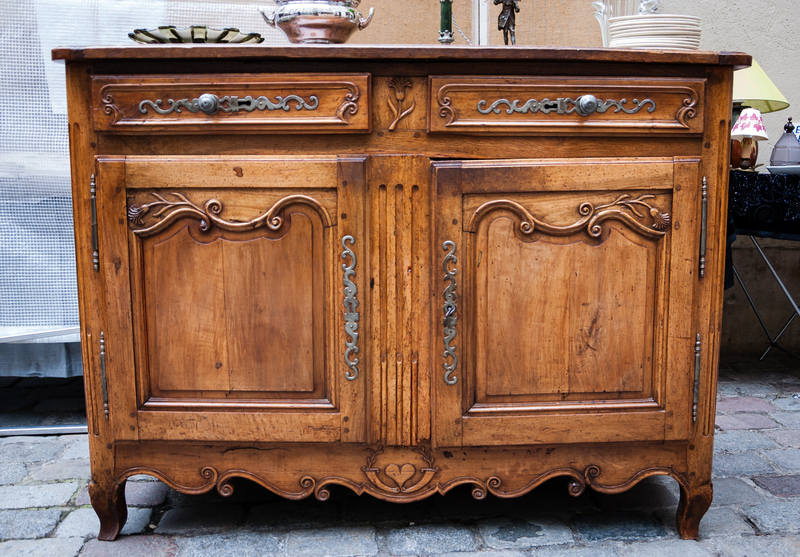
Furniture clearance is a major part of many commercial waste jobs, particularly where premises are being updated, reorganised or vacated. We remove items such as desks, conference tables, reception seating, shelving, cupboards, office chairs and other bulky fittings that are no longer wanted. The service is useful when furniture is too awkward to move internally, too worn for further use in the business, or simply no longer fits the layout of the space.
Furniture disposal can involve a mixture of straightforward and awkward items, so the best results come from separating what is still reusable from what is destined for disposal. In some cases, a customer may want a selective clearance that removes only specific pieces, leaving fixed or useful items untouched. In others, the aim is a fuller strip-out of movable furniture so the space can be handed over, refurbished or repurposed. The key is to match the removal approach to the condition and quantity of the items involved.
If the furniture includes large or heavy pieces, a quick note about floor level, lifts and access points can help shape the plan. A sensible quotation request normally mentions whether the items are already dismantled, whether they are stored in one room or spread across the building, and whether any pieces need extra handling due to size or weight. That information keeps the service practical and avoids unnecessary back-and-forth.
Furniture disposal, reuse decisions and item sorting
Commercial furniture disposal is not just about removal; it also involves deciding what can be rehomed, what should be recycled and what needs to be taken away as waste. We work with a range of office and business furniture, including pieces that are no longer suited to everyday use but may still be separable into reusable components. That matters because different items may need different handling, especially where mixed materials such as metal, timber, plastic and upholstery are involved.
Where furniture is part of a larger clearance, sorting the items before collection can make the work more efficient. You do not need to separate every component, but it is useful to identify the pieces that are definitely leaving, the items that are staying, and anything that should be treated with care because of damage, glass, wiring or sharp edges. A brief inventory is enough for many enquiries, and it gives a clearer picture of the work than a vague description of the room itself.
These decisions also help when the clearance includes both furniture and general rubbish. Rather than treating everything as one pile, it is better to think about the main item groups and how each one should be removed. That approach is especially helpful in premises with storage rooms, rear offices or mixed-use areas, where different types of waste can end up together. If you are ready to move forward, a simple outline of the items can make the quotation process much easier.
Flat, house and loft clearances linked to business premises
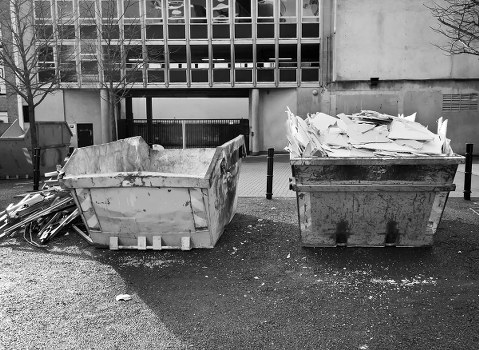
Some commercial waste removal work overlaps with residential-style clearances, particularly where landlords, managing agents or business owners need help with flats, houses or loft spaces connected to a property portfolio. We can remove general contents, redundant household furniture and other unwanted items from these spaces when the clearance is part of a business arrangement or a property handover. The focus remains on practical item removal rather than on cosmetic presentation or decoration.
Flat and house clearance work is often needed after a tenancy change, a long-term storage build-up or a property refurbishment. Loft clearance can involve boxed belongings, old furniture, suitcases, bags and mixed clutter that has been left out of everyday use. These jobs usually benefit from careful sorting before removal, because some items may be intended for retention, some for disposal and some for separate handling. The service is especially useful when the space itself is difficult to access or when items have accumulated over time.
When planning this type of work, it is sensible to note whether the clearance covers one room, several floors or a full property. The more clearly the scope is described, the easier it is to match the right level of removal to the job. If there are items you want to keep aside, place them separately before the team arrives. That small step can make the process smoother and reduce the chance of confusion during clearance.
Garden, garage and access-area waste
Many commercial premises have outside or semi-external spaces that collect unwanted material just as quickly as indoor areas do. Garden clearance can include broken planters, cut branches, soil-contaminated items, old outdoor furniture and general green waste gathered from shared grounds or business-managed spaces. Garage clearance may involve tools, storage boxes, redundant equipment, broken household items and accumulated mixed rubbish that is no longer useful. These spaces often become catch-all storage areas, so a structured removal makes them easier to use again.
Because outdoor and access-area waste can be mixed, it helps to think about what belongs in the clearance before the collection is booked. Green waste, furniture, general rubbish and stored household items may need to be handled as separate groups, especially if the site includes both landscaped areas and utility storage. If the job involves a garage or external store, it can also be useful to check whether the items are loose, boxed, stacked or partly dismantled. That level of detail helps the collection stay organised.
You do not need to overcomplicate the enquiry, but a few sensible notes go a long way. Mention whether the area is at the front, rear or side of the property, whether access is shared, and whether the clearance should include all contents or just selected items. A concise description will usually be enough to establish the scale of the work and decide the best way to approach it.
What we remove and how it is separated
Commercial waste removal often covers more than one item type in a single collection, so it is helpful to understand the main categories that can be included. We commonly deal with office furniture, domestic-style furniture, general rubbish, mixed storage contents and some appliance removals where they form part of a suitable collection. The important part is not simply that items are unwanted, but that they can be described clearly enough to be handled in the right way.
An organised removal process begins with sorting, because different materials may be suitable for different routes once collected. Some items are better kept apart because of their size or composition, while others can be grouped together if they are similar in nature. The clearer the separation at the start, the easier it is to avoid unnecessary delays on site. If there are items that contain glass, wiring, fluids or delicate parts, it is worth mentioning them early so the job can be planned carefully.
The practical goal is to make the clearance predictable. That means knowing which items are to be removed, which are to remain, and whether there are any pieces that will need dismantling before they can leave the building. You do not need specialist language to explain a commercial waste job; a plain description of the contents usually works best. If you have several item types in one place, group them mentally by category before you ask for a quotation.
Hazardous items, appliances and specialist handling

Some materials are outside the scope of ordinary commercial waste removal and need more careful handling. Hazardous waste, certain chemicals, contaminated materials and other specialist items must be considered separately, not simply added to a standard collection as though all waste were the same. Where this kind of material is present, it is important to identify it clearly from the start so the right arrangements can be made for safe and lawful disposal.
Appliances such as fridges or other electrical items can also need specific treatment because they may contain components that should not be dealt with as ordinary rubbish. The same is true for mixed loads that include office equipment, wiring or materials with sharp or heavy parts. If you are unsure whether an item belongs in a standard removal or a specialist one, it is better to mention it plainly than to leave it unlisted. A careful description is always more useful than guessing.
One practical rule is to separate clear commercial waste from anything potentially regulated or hazardous before the job is arranged. That does not mean you need to label everything in technical terms, only that you should flag unusual items early. If a collection involves both normal waste and specialist material, those parts may need to be handled differently. It is better to split the enquiry than to force every item into one basket.
Pricing factors, access and quotation details
Pricing for commercial waste removal usually depends on a small number of practical factors: the type of waste, the amount to be removed, the complexity of access and whether any items need careful separation. Bulky furniture, mixed loads and awkward loading conditions can all affect the scope of the work. Rather than trying to estimate by guesswork, it is better to describe the items clearly so the quotation reflects the real task rather than an assumption about it.
Access details matter because they affect how the clearance is carried out. If items are on upper floors, in basements, behind security doors or in a shared building, those details should be included in the enquiry. Likewise, if the waste is already gathered in one place or spread across several rooms, that changes the amount of handling involved. A good quotation request is not long; it is simply accurate. You can make it stronger by listing the main item groups and noting anything unusually heavy, fragile or restricted.
For clarity, it often helps to include a short set of points rather than a dense paragraph when you first enquire:
- the main item types to be removed
- approximate quantity or room count
- access notes such as stairs, lifts or loading points
- any specialist or awkward items
- whether the clearance is partial or complete
About Crystal Palace
Crystal Palace sits across the boundaries of several south London boroughs and is best known for the hill and district centred around Crystal Palace Parade and the surrounding residential streets. The area takes its name from the great glass exhibition building originally erected for the Great Exhibition of 1851 and later relocated to the ridge in the 1850s, where it remained a defining landmark until the fire of 1936. Although the original structure was lost, the name endured and the district developed a distinct identity of its own, shaped by rail links, hilltop views and a varied mix of housing, local shopping and open space. One of its best-known features is Crystal Palace Park, a large public park laid out in the nineteenth century and still associated with historic landscaping, broad avenues and the famous dinosaur sculptures that have long been part of its character. The area also includes a notable concentration of late Victorian and Edwardian terraces, mansion blocks and converted properties, reflecting the period in which the neighbourhood grew as a desirable suburban location. Crystal Palace is additionally recognised for its creative and community life, with independent shops, cafés, venues and regular local events contributing to a lively town-centre atmosphere despite its hilly topography. The ridge itself offers extensive views over London on clear days, which has helped reinforce the district’s reputation as a place with a strong sense of identity and a connection to the wider city.
Booking details and next steps
If you are arranging commercial waste removal, the easiest starting point is to gather a simple description of the items and the space they are in. That may be enough to establish whether the work is a furniture clearance, an office clearance, a mixed commercial removal or a more specific item-based collection. Keep it practical: note the room, the floor, the access route and the approximate scale of the job. Clear information helps keep the quotation focused and avoids unnecessary assumptions.
When comparing options, think about the full picture rather than just the visible clutter. Some jobs are mainly about bulky items, while others involve mixed contents that need sorting before they leave the site. If a space contains both ordinary waste and items that require special attention, it is sensible to mention that from the outset. For many customers, the best next step is simply to request a quotation and let the scope be matched to the waste actually present.
Ready to move forward? Request a quotation for commercial waste removal in Crystal Palace, and describe the items you want taken away as plainly as possible. If you have already separated furniture, equipment or specialist materials, say so in your message. For jobs with mixed contents, a short list is usually enough to begin. If you need a straightforward commercial clearance plan, start with the waste, the access and the outcome you want.