Complaints Procedure for Commercial Waste Removal Crystal Palace
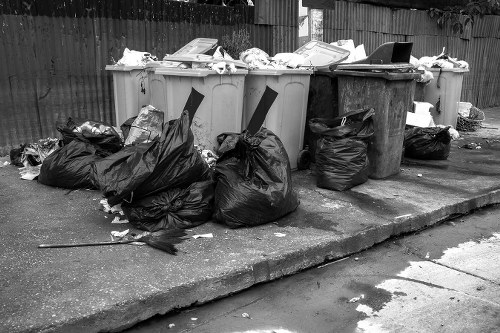 This document sets out the formal complaints procedure applicable to commercial waste removal services operating in and around Crystal Palace. It applies to contracts for business waste collection, commercial rubbish removal and related refuse services provided by the company. The procedure is intended to ensure that complaints are handled fairly, consistently and promptly, and that records are maintained for legal and regulatory purposes.
The scope covers operational failures, missed collections, collection site safety issues, contamination disputes, invoicing disagreements and service quality concerns. It does not replace statutory rights or regulatory avenues; rather it complements those rights by offering an internal route to resolution. Where the wording below refers to the service provider this should be read as the entity responsible for the commercial waste collection contract.
 In the first instance, customers are encouraged to seek an informal resolution. An attempt at an amicable outcome will typically involve clarifying the nature of the complaint, confirming service records and, where appropriate, arranging a remedial visit or supplementary collection. Informal resolution is often the fastest way to resolve concerns without escalation.
How to raise a formal complaint
If informal approaches do not resolve the issue, a formal complaint may be submitted. Complaints should be made in writing and must include the following details: contract reference or account identifier, date and time of the incident, a clear description of the issue and any supporting documentation such as photographs or job notes. Requests to log a formal complaint must be acknowledged in writing, and the procedure below will then apply.
There are timeframes for raising complaints so that evidence and recollections remain reliable. Parties are expected to report matters as soon as reasonably practicable after the event. The company will record the receipt date and will confirm the expected timescale for investigation. Confidentiality for both parties will be respected during the process.
 Upon receipt, the complaint will be triaged to determine the severity and the relevant team will be assigned. Investigations may include reviewing vehicle tracking logs, attendant reports, CCTV where available, and interviews with operational staff. The company may request additional information from the complainant; failure to supply requested details within a reasonable period may delay the outcome.
Investigation outcome and remedies
The investigation will conclude with a formal response that sets out findings and any proposed remedies. Possible outcomes include a written apology, remedial action such as repeat collection, allocation of corrective resources, invoice adjustments, or a partial refund where loss or damage is established. Remedies will be proportionate to the proven impact and will take into account operational constraints and contractual terms.
Where a complaint identifies systemic failure, the matter will be escalated internally for process review and potential policy change. Customers will be informed of remedial measures that affect broader service delivery. If the outcome is unsatisfactory to either party, escalation to an independent industry arbiter or a relevant regulatory authority may be considered; this does not remove statutory rights.
Examples of potential remedies include:
- Repeat collection within an agreed timeframe for missed or incomplete collections.
- Proportionate invoice adjustments where overcharging or non-delivery is proven.
- Corrective action to address safety or contamination concerns.
 Record-keeping and data protection are integral to the complaints process. All complaints, investigation notes, evidence and outcomes will be retained in accordance with applicable data protection legislation and company retention policies. Records may be reviewed during regulatory audits and will be used to inform training, risk assessments and service improvements.
Both the complainant and the service provider have responsibilities during the process. The company expects professional and lawful behaviour from customers; offensive, abusive or threatening conduct will not be tolerated and may result in the termination of the complaints process. Conversely, the company undertakes to act impartially and to avoid any conflict of interest in handling complaints.
 This complaints procedure will be reviewed periodically to ensure continuing compliance with legal obligations and industry best practice. It forms part of the contractual and regulatory framework governing commercial refuse removal and business waste collection services. The policy is not a substitute for legal action where statutory rights exist; however, it provides a clear internal pathway to resolve disputes and promote continuous service improvement.
Note: This document is intended as a procedural statement and does not include contact details or guidance on submitting claims to courts or tribunals. Customers retain their full legal rights and may pursue independent remedies where appropriate.
