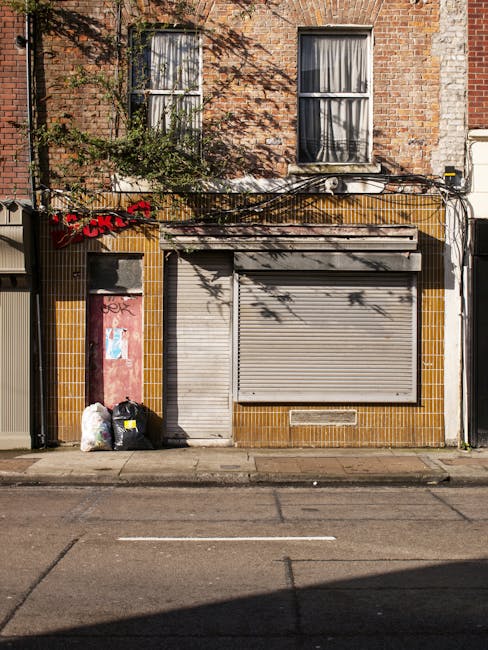
Westow Street rubbish removal guide for SE19 homes
If you live near Westow Street in SE19, rubbish has a habit of piling up at the worst possible moment. One broken wardrobe, a garden tidy-up that grew legs, or a flat clearance after a move - suddenly the hallway looks smaller, the bins are full, and you are wondering what to do next. This Westow Street rubbish removal guide for SE19 homes is here to make the whole process feel simpler, safer, and less annoying than it usually does.
In plain English, this guide covers how rubbish removal works locally, what to check before you book, how to sort mixed household waste, and when a professional collection is the better option. It also explains the practical bits people often miss: access, parking, recycling, bulky items, and the small compliance details that can save you a headache later. Let's get into it.
Why Westow Street rubbish removal guide for SE19 homes Matters
Westow Street sits in a part of SE19 where homes vary a lot: terraced houses, compact flats, converted properties, and the odd house with awkward access or very little outdoor storage. That matters, because rubbish removal is never just about the waste itself. It is also about where the waste is coming from, how far it needs to travel, and whether there is enough space for a skip, a van, or a short carry from the front door.
People often assume they can just put everything out and "sort it later". In reality, later often means clutter building up in a hallway, a landlord chasing a void clearance, or a builder waiting while debris gets in the way. A decent rubbish removal plan keeps the property usable and keeps the job moving. Simple, really. Or at least simpler.
This guide matters because SE19 homes frequently face one or more of these situations:
- bulky furniture that will not fit in a normal bin
- old appliances taking up valuable space
- loft, garage, or shed clearances after years of gradual buildup
- post-renovation rubble, packaging, and timber offcuts
- garden waste after pruning, landscaping, or a seasonal tidy-up
- mixed household junk that needs separating before collection
For many residents, the real value is speed and predictability. You want a collection that happens when promised, waste handled responsibly, and no messy back-and-forth. If you are comparing services, it can help to start with a broader waste removal overview and then narrow it to the type of waste you actually have.
How Westow Street rubbish removal guide for SE19 homes Works
At a practical level, rubbish removal usually follows a pretty standard flow. You identify the waste, estimate the amount, check for restricted items, choose a service, and arrange collection. The details vary a bit depending on whether you are clearing a single sofa, a full flat, or a building job's worth of mixed debris.
Most home collections work best when the waste is easy to access. Front garden, driveway, forecourt, ground-floor room - that kind of thing. If the items are upstairs, in a loft, or buried in the back of a garage, it may still be fine, but it helps to mention it up front. No one likes surprises when they are carrying a wardrobe down a narrow stairwell at 8:15 in the morning.
In SE19, access can be the deciding factor. Some properties have tight staircases, on-street parking pressure, or limited turning space. That does not make rubbish removal impossible, but it does mean planning matters. Good planning avoids blocked entrances, avoids dragging heavy items across floors, and reduces the chance of a job taking longer than expected.
There are also some item-specific services worth knowing about. For example, if the issue is a fridge, freezer, or washing machine, a dedicated fridge and appliance removal service is often more sensible than trying to bundle everything into one general load. Likewise, if the problem is soft furnishings, the route may be better handled through mattress and sofa disposal rather than treating them like mixed junk.
Key Benefits and Practical Advantages
Let's face it: rubbish clearance is not glamorous. But when it is done properly, the benefits show up fast. The room feels bigger, the stress level drops, and the job you have been putting off suddenly becomes manageable.
Here are the main advantages for Westow Street and wider SE19 homes:
- Faster reclaiming of space - useful if you are moving, renovating, renting out, or just tired of stepping around boxes.
- Less manual handling risk - heavy items and awkward loads are easier to manage when handled by people used to the work.
- Better recycling outcomes - separating reusable or recyclable materials can make a real difference to how waste is processed.
- Cleaner finish - after a proper collection, you are not left with random debris in corners or on the pavement.
- More control over timing - especially helpful when fitting around a landlord inspection, trades visit, or weekend move.
Another practical advantage is that professional rubbish removal can reduce the "half-finished job" effect. You know the one: a pile started in the porch, another by the back gate, and three broken chairs nobody wants to admit ownership of. A well-planned collection gets all of it in one go or, at the very least, gets the bulk of it cleared in a tidy, efficient way.
If sustainability matters to you, look for providers that talk clearly about recycling and responsible disposal. A good starting point is their recycling and sustainability approach, because that tells you they are not treating every item as the same sort of waste.
Who This Is For and When It Makes Sense
This guide is for SE19 residents who need a practical answer to a rubbish problem, not a generic lecture on "decluttering". It is especially relevant if you live in a house, flat, maisonette, or converted property close to Westow Street and need items removed without a lot of fuss.
It makes sense in situations like these:
- Moving home - you want to leave with less clutter, not drag rubbish to the new place.
- End-of-tenancy clear-outs - landlords and tenants both benefit from a clean, empty property.
- After DIY or refurb work - broken plasterboard, timber, packaging, and offcuts build up quickly.
- Garage or loft clearance - often the hidden mountain of the house.
- Garden tidy-ups - especially after hedge cutting, pruning, or fencing work.
- Furniture replacement - old beds, sofas, and wardrobes need a proper exit plan.
It is also useful if you are comparing rubbish removal with skip hire. Skip hire can work well for the right property and the right type of waste, but not every SE19 home has the space or access for it. If you are unsure what can be loaded into a skip at all, the guide on what can go in a skip is worth a look before you decide.
And yes, if you are staring at a pile of mixed stuff and thinking, "I will deal with it next weekend", you are probably exactly who this is for. Next weekend has a funny habit of disappearing, doesn't it?
Step-by-Step Guidance
Here is a clear way to handle rubbish removal around Westow Street without making it harder than it needs to be.
- Walk through the property and gather everything in one place. You cannot really quote or plan properly if waste is still scattered across rooms, the loft, and the garden.
- Separate obvious categories. Furniture, appliances, garden waste, builder's waste, and general junk should be grouped if possible.
- Check for anything special. Paint tins, chemicals, fridges, and certain electronics may need extra care. If in doubt, ask before collection.
- Measure or estimate the load. A rough idea of volume helps more than people realise. Two bulky items and one sack are not the same as half a room full of mixed debris.
- Think about access. Note stairs, lift access, parking restrictions, narrow halls, and whether items need carrying from the back garden.
- Choose the right clearance type. A garage job is not the same as a full house clearance, and that distinction matters.
- Book a collection time that gives you breathing room. If you are juggling trades, school runs, or a move, a tight schedule can become messy very quickly.
- Do a final sweep before the team arrives. Small loose items, screws, and packing materials have a habit of hiding in corners.
For larger projects, such as a deep clean or property reset, it may be worth looking at broader options like home clearance or even house clearance if the volume is substantial. If the waste is mostly furniture, the more specific furniture clearance and furniture disposal pages can also help you decide what fits best.
A small tip from real life: keep a bin bag or box for odd little bits - chargers, loose screws, keys, fittings, that sort of thing. They are tiny, but they always manage to scatter everywhere just when you want a clean finish.
Expert Tips for Better Results
These are the things that save time, reduce stress, and make the whole job feel easier.
- Photograph the waste before booking. A few clear pictures usually beat a long explanation.
- Be honest about volume. Underestimating often leads to a second visit or a more awkward collection than necessary.
- Keep recyclable items separate where practical. Cardboard, metal, and some plastics are easier to deal with when they are not mixed into one anonymous heap.
- Move the load closer to the exit if you can do it safely. A shorter carry generally means a smoother job.
- Tell the team about fragile floors, tight stairs, or parking issues. It sounds obvious, but the obvious stuff is what gets missed.
For larger garden jobs, the same logic applies. If your waste includes branches, soil, hedge cuttings, or old outdoor items, a dedicated garden clearance approach is often more efficient than treating it as mixed household rubbish. And if you have just finished a small renovation, builders waste clearance is the safer fit for rubble, timber, and trade leftovers.
One practical detail people sometimes overlook: clear a path. Not glamorous, but wildly useful. A hallway with shoes, prams, and a recycling box in the way turns a 20-minute collection into a bit of a shuffle.
Common Mistakes to Avoid
Most rubbish removal problems are avoidable. The same mistakes crop up again and again, and to be fair they are understandable. People are busy. Still, it helps to know what not to do.
- Leaving everything until the last minute. This is the classic one. The result is panic sorting and a much less organised collection.
- Mixing restricted items into general waste. That can create delays and may require separate handling.
- Forgetting access issues. A beautiful plan falls apart if the van cannot park close enough or the waste is stuck at the top of three flights of stairs.
- Guessing the load size wildly. Not ideal. Better to be roughly right than confidently wrong.
- Assuming all companies handle the same items the same way. They do not.
- Ignoring paperwork or terms for larger or mixed jobs. It is dull, yes, but still worth checking.
Hazardous items deserve special caution. Paints, solvents, asbestos-related materials, some chemicals, and certain batteries should never be lumped in with general household waste. If there is any doubt, use a service that handles hazardous waste disposal properly rather than taking a guess and hoping for the best. Hope is not really a disposal strategy.
Another common slip is forgetting about cleaning after removal. A good clearance gets the items out, but a quick sweep or vacuum afterwards leaves the space genuinely ready to use.
Tools, Resources and Recommendations
You do not need fancy equipment to organise a home rubbish removal, but a few basic tools make the job easier.
- Bin bags and rubble sacks for small mixed waste, odd bits, and lightweight packaging
- Labels or sticky notes to mark items for recycling, re-use, or disposal
- Tape measure if you are trying to judge whether a bulky item will fit through doors or down stairs
- Gloves for sharp edges, dusty loft items, or garden debris
- Phone camera for before-and-after photos and for sharing pictures when requesting a quote
For planning and trust, it also helps to check the provider's service pages and policies. A reliable company should be clear about how they handle payments, safety, complaints, and scheduling. You can usually learn a lot from pages like pricing and quotes, payment and security, and insurance and safety.
If you are a tenant, landlord, or estate manager dealing with paperwork-heavy clearances, it is also sensible to understand how the company handles data and terms. A quick look at terms and conditions and privacy policy can clear up a lot before you book.
Law, Compliance, Standards, or Best Practice
Waste collection in the UK is not just a matter of lifting and loading. Responsible handling matters. You do not need to memorise legislation to make a sensible decision, but you should expect any reputable provider to work in line with normal UK waste duty-of-care expectations.
In practical terms, that means waste should be handled, transported, and disposed of responsibly, with appropriate separation where needed and care around hazardous or restricted materials. A proper service should also be transparent about what it will and will not take, especially where safety or specialist handling is involved.
For SE19 homes, a few best-practice points are especially useful:
- do not leave waste on pavements longer than necessary
- keep access routes clear for residents and neighbours
- identify items that may need special treatment before booking
- use a provider that treats safety as part of the job, not an afterthought
If you are dealing with confidential paper, records, or old admin files during a home office clear-out, a dedicated confidential shredding service may be more appropriate than general waste removal. That is a small detail, but an important one if you are clearing paperwork from a loft or study.
Best practice also means choosing the right service for the job. A quick flat refresh is not the same as a full void clearance, and a garden pile is not the same as a builder's load. Matching the waste to the method keeps the whole process cleaner and safer.
Options, Methods, or Comparison Table
When people in Westow Street compare rubbish removal options, they are usually weighing convenience against cost, access, and how much sorting they are willing to do themselves. Here is a simple comparison.
| Method | Best for | Strengths | Limitations |
|---|---|---|---|
| General rubbish removal | Mixed household waste, small clearances, quick tidy-ups | Fast, flexible, little hassle | May need sorting for special items |
| Furniture clearance | Sofas, wardrobes, beds, dining sets | Good for bulky items and room resets | Not ideal for hazardous or very mixed waste |
| House clearance | Larger property clear-outs, moves, probate-style clearances | More comprehensive and organised | May take more planning |
| Skip hire | Longer DIY jobs with space for a skip | Useful if you want a container on site | Access, permits, and loading rules can be awkward |
| Specialist disposal | Appliances, sofas, fridges, hazardous items | Better handling of specific waste types | Not a one-size-fits-all solution |
For many SE19 homes, the deciding factor is not just price. It is how much work you want to do yourself. If you are happy loading waste over a few days, skip hire may suit. If you want the clutter gone in one practical sweep, rubbish removal is often the calmer option. Sometimes the sensible choice is the boring one. That is fine.
Case Study or Real-World Example
Here is a realistic SE19 scenario. A couple living near Westow Street had just finished redecorating a front room and clearing out a spare bedroom at the same time. The result was a mixed pile: an old mattress, two bookcases, broken shelving, cardboard packaging, bags of fabric, and a few small electrical bits they had forgotten about until the end.
The first problem was access. The property had a narrow staircase and limited space to stage everything inside. The second problem was sorting. Some items were obvious general waste, some were furniture, and some needed a bit more attention. Instead of trying to move everything twice, they grouped the waste by type, measured the larger pieces, and made sure the path from the house to the vehicle was clear.
The collection itself went more smoothly because the useful information had been prepared in advance. No guesswork, no sudden "oh, and there is also a shed full of stuff at the back". The room was cleared, the packaging disappeared, and the space felt usable again. Small win, but a very satisfying one.
That is really the lesson here: the job feels easier when you plan the waste like a project rather than like a pile.
Practical Checklist
Use this checklist before any Westow Street rubbish removal booking.
- Identify all waste items in one place
- Separate furniture, appliances, garden waste, builder's waste, and general rubbish
- Check for anything hazardous, fragile, or restricted
- Measure large items and estimate total volume
- Note stairs, parking, narrow entrances, and lifting challenges
- Decide whether you need a simple collection or a fuller clearance
- Remove valuables, paperwork, keys, and personal items first
- Clear a path from the waste to the exit
- Take photos if you are requesting a quote
- Confirm what will happen to recyclable or reusable items
- Check payment, insurance, and service terms if needed
- Do a final walk-through after the load is gone
That last step sounds minor, but it catches more stray bits than you would think. A missed charger, a sock, a screwdriver, a random cushion cover... they all have a way of lingering.
Get a free quote today and see how much you can save.
Conclusion
Westow Street rubbish removal for SE19 homes is easiest when you treat it as a practical process rather than a last-minute chore. Once you know what needs removing, how much there is, and where the access pinch points are, the rest becomes much more manageable. A thoughtful approach saves time, reduces stress, and usually leads to a tidier outcome.
If there is one takeaway, it is this: sort early, be clear about the waste type, and choose the collection method that matches the job. Whether you are clearing a flat, a family home, a loft, a garage, or a stack of tired old furniture, a bit of planning goes a long way. And after the clutter has gone, the room feels different - lighter, calmer, more yours. That's the good bit.
If you want to learn more about the company behind these services, you can also read about us or go straight to book online when you are ready to arrange a collection.
Frequently Asked Questions
What is the best way to arrange rubbish removal for a Westow Street home?
The best approach is to group your waste first, estimate the size of the load, check for restricted items, and then book the most suitable collection type. That usually leads to a smoother and quicker job.
Can I mix furniture, bags of rubbish, and appliances in one collection?
Often yes, but it depends on the provider and the item types involved. Appliances and anything that needs special handling should be mentioned in advance, especially fridges or freezers.
Is rubbish removal better than skip hire for SE19 homes?
It depends on access, space, and how much loading you want to do yourself. For many Westow Street properties, rubbish removal is simpler because you do not need to manage a skip on the road or in a tight space.
What happens to recyclable items after collection?
That varies by provider and by material, but responsible services aim to separate reusable and recyclable items where practical. If sustainability matters to you, check the provider's recycling approach before booking.
Do I need to be at home during the collection?
Usually yes, or at least someone should be available to grant access and confirm the load. Some jobs are straightforward enough to arrange around a key handover, but it is best to confirm that in advance.
How do I prepare for a flat clearance in SE19?
Remove personal belongings, separate obvious waste types, clear hallways, and make sure the team knows about stairs or access restrictions. If the flat contains mostly furniture, a dedicated flat or furniture clearance option may be more efficient.
What should I do with old mattresses and sofas?
These are bulky items that are often handled separately from general rubbish. A specific mattress and sofa disposal service is usually the better fit, especially for awkward or heavy pieces.
Are there items that should never go in general rubbish?
Yes. Hazardous materials, some chemicals, and certain items like paint or solvent containers may need special handling. If you are unsure, ask before the collection rather than guessing.
How much space should I leave for the collection team?
Leave enough room for safe lifting and movement from the waste to the exit. A clear path matters more than perfection. If a staircase is narrow or parking is tight, mention it early so the job can be planned properly.
Can rubbish removal help after DIY or renovation work?
Absolutely. Mixed rubble, timber, packaging, and old fixtures are common after small renovation jobs. In those cases, builders waste clearance is often the most suitable route.
What if I also need to clear a garage, loft, or garden?
That is very common, and it is often easier to book the right specialist clearance from the start. Garage clearance, loft clearance, and garden clearance each suit different kinds of waste and access conditions.
Where can I find pricing information before booking?
You can review the provider's pricing and quotes page to understand how estimates are handled. It is always better to check first than to be surprised later.