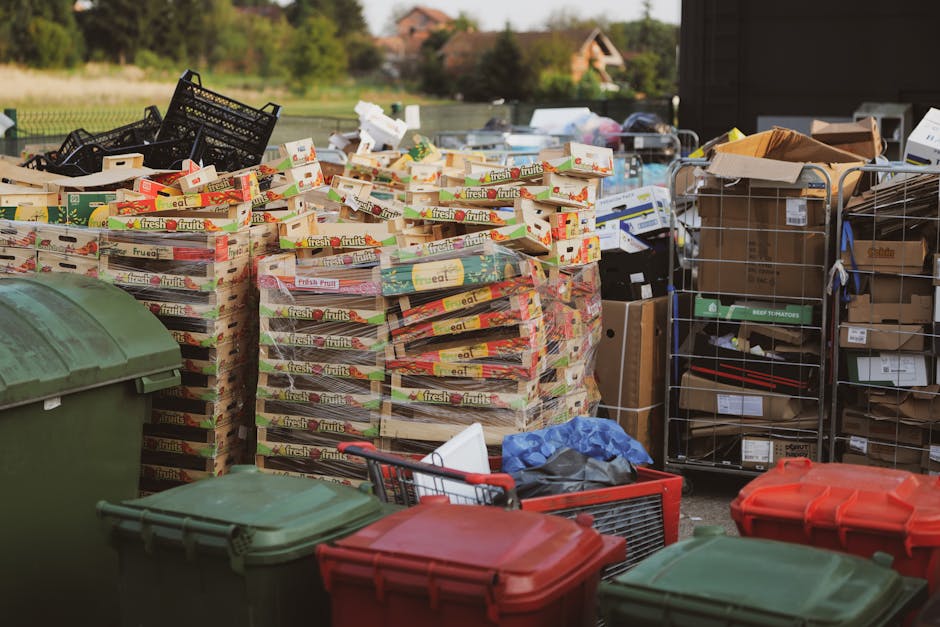
Urgent rubbish collection delays in SE19 what to know

If you are dealing with urgent rubbish collection delays in SE19, you probably do not need a lecture. You need to know what is happening, what you can do next, and how to stop a small delay from turning into a bigger mess in the hallway, garden, shop yard, or office. The awkward smell in the bin area, the pile that seems to grow overnight, the council crew that never quite arrives when expected - it all adds pressure fast.
This guide breaks down the practical side of delays in plain English. You will learn why they happen, how urgent collections usually work, what to check before you panic, and when a private clearance service may be the more sensible option. We will also cover common mistakes, compliance basics, and a few grounded tips that can save time when things are already feeling rushed.
- Why delays matter in SE19
- How urgent rubbish collection works
- Key benefits and practical advantages
- Who this is for and when it makes sense
- Step-by-step guidance
- Expert tips for better results
- Common mistakes to avoid
- Tools, resources and recommendations
- Law, compliance, standards or best practice
- Options, methods, or comparison table
- Case study or real-world example
- Practical checklist
- Conclusion
- Frequently asked questions
Why Urgent rubbish collection delays in SE19 what to know Matters
In SE19, rubbish collection delays can be more than a minor inconvenience. If waste is left sitting too long, it starts affecting daily life in very ordinary but annoying ways: blocked access, smells, pests, missed move-out deadlines, unhappy neighbours, and awkward conversations with tenants, staff, or customers. The issue is not just the delay itself. It is what the delay sets off.
Let's face it, rubbish behaves like water sometimes. It spreads into whatever space you had left. A delayed collection that seemed manageable in the morning can become a safety problem by the evening, especially if bags are split, cardboard gets wet, or bulky items start blocking a passage. That is why understanding the next step matters so much.
There is also a trust angle here. If you are arranging removal for a home, rental property, shop, or office, you need to know whether the service you are waiting on is realistic, delayed because of scheduling, or simply not the right solution for the job. In our experience, a clear explanation early on saves everyone a headache.
Key takeaway: when rubbish collection is delayed in SE19, the real priority is reducing disruption fast - not just waiting and hoping the problem clears itself.
For local jobs where timing is tight, it often helps to compare your options before the waste starts becoming a bigger issue. A service such as waste removal can be useful when you need flexibility rather than a one-size-fits-all collection slot.
How Urgent rubbish collection delays in SE19 what to know Works
Urgent rubbish collection is usually built around speed, access, and the type of waste involved. The process is straightforward on the surface: you describe what needs removing, the provider confirms what can be taken, and a slot is arranged. The part that goes wrong is often the detail. Is the waste bagged? Is there bulky furniture? Is access narrow? Are there mixed materials, or items that need special handling?
In SE19, timing can also be affected by parking access, road conditions, property layout, and how much waste has been stacked up outside. A collection that looks simple from the street can take longer if the crew has to navigate basements, rear gardens, top-floor flats, or shared entrances. That is normal, by the way. It is just not always obvious until someone turns up on site.
Most urgent services work best when the customer provides a decent description up front. Photos help. So do clear notes about stair access, loading points, or anything awkward like heavy appliances or mixed construction waste. If you are dealing with domestic clutter, a general clearance service such as home clearance may fit the job better than trying to squeeze everything into a standard bin collection model.
There are a few common reasons delays happen:
- high seasonal demand after move-outs, refurbishments, or clear-outs
- missed access because of parking or locked gates
- incorrect waste descriptions at booking stage
- extra bulky items added on arrival
- weather, traffic, or operational knock-on effects
If you are working with mixed waste from a building project, a dedicated builders waste clearance option may be the cleaner route than waiting for a generic collection that was never really designed for rubble, offcuts, and packaging all together.
Key Benefits and Practical Advantages
When you understand how urgent rubbish delays are handled, the practical upside is pretty clear. You can choose the right response faster, cut down on repeat visits, and avoid waste sitting around longer than it should.
Here are the main benefits of handling delays properly rather than just hoping for the best:
- Less disruption: fewer blocked walkways, fewer complaints, and less stress in day-to-day routines.
- Better hygiene: waste removed sooner means less chance of smells and mess building up.
- Cleaner presentation: important for landlords, lettings, hospitality, and customer-facing businesses.
- Safer spaces: clear exits, less trip risk, and fewer awkward obstacles for staff or visitors.
- More predictable costs: choosing the right service early can prevent unnecessary second visits or emergency rearrangements.
A lot of people only think in terms of speed. Speed matters, yes. But the real value is control. You get control over timing, access, waste type, and what happens next. That is especially useful if you are managing a flat move, a tenancy end, a shop refit, or an office tidy-up where time windows are tight and the clock is doing that annoying ticking thing.
For household clearances with furniture, mixed household items, or a single bulky load that keeps getting in the way, the relevant service can be more specific. For example, furniture clearance and mattress and sofa disposal are often better fits than a general "take everything" approach.
Who This Is For and When It Makes Sense
Urgent rubbish collection delays in SE19 affect a surprisingly wide group of people. It is not just homeowners with too many black bags. The same problem turns up in offices, flats, rental properties, garden jobs, shop premises, and building projects. Sometimes the waste is just inconvenient. Sometimes it is actively getting in the way of work or a handover date.
This guide is especially useful if you are:
- a homeowner dealing with a post-clear-out backlog
- a landlord or letting agent preparing a property for new occupants
- a tenant moving out and trying to leave the place tidy
- a business owner who cannot leave waste outside for days
- a facilities manager handling one-off overflow or clearance issues
- someone with bulky items that missed the usual pickup window
It also makes sense if you have already booked a collection and the timing has slipped. That is the moment when people start wondering: do I wait, call back, or switch to a faster solution? Truth be told, that decision usually comes down to risk. If delay creates more mess, more complaints, or more work for you later, a quicker clearance option may save trouble.
For commercial waste, an organised service such as business waste removal or office clearance can be far easier than ad hoc bin handling when deadlines are pressing.
Step-by-Step Guidance
If you are facing a delay right now, here is a calm, practical way to deal with it. No drama. Just the stuff that tends to work.
- Check what was actually booked. Confirm the date, time window, waste type, and any access notes you gave.
- Review the waste on site. Make sure there are no unexpected items mixed in, especially restricted materials or heavy items that change the job.
- Take clear photos. A few quick pictures can help if you need to explain the volume or layout. Morning light is best if you can manage it.
- Ask about the delay plainly. A direct question is better than vague frustration. Was it a routing issue, missed access, or a reschedule?
- Decide whether waiting still makes sense. If the waste is contained, maybe you can wait. If it is becoming a problem, act faster.
- Choose the right clearance method. Match the service to the waste. A garden pile is different from a loft full of old furniture.
- Prepare the site. Keep access clear, unlock gates, and make items easy to collect. It sounds basic, but it saves time.
- Confirm the final scope. Make sure there are no surprises on the day. That is where delays love to hide.
For outdoor waste, especially if rain has softened cardboard or made piles messy, a more targeted collection can be helpful. A garden clearance service may suit cuttings, soil bags, old planters, and general outdoor clutter better than waiting for a delayed general collection.
If the job includes appliances, remember that these items can need separate handling. A fridge and appliance removal service may be the correct route where white goods are involved. Not glamorous, but it stops the whole job from stalling.
Expert Tips for Better Results
There are a few small things that make a big difference when rubbish collection is running late. None of them are fancy. Most are just common sense done early.
First, separate waste types before booking. Mixed piles slow everything down. If you already know what is furniture, what is bagged waste, and what is recyclable cardboard, you make the job easier for everyone.
Second, keep access boringly simple. Clear a path. Move cars if needed. Unlock side gates. If you are in a flat, let residents know what time the collection might happen. You would be surprised how often a locked door is the real problem.
Third, avoid the "just one more item" trap. It starts with a bin bag and ends with three chairs, a broken chest of drawers, and an old microwave. We have all seen it. A tiny addition can become a timing issue if the team did not plan for it.
Fourth, ask about disposal routes. If you care about recycling or responsible handling, raise that early. A good provider should be able to explain how different waste streams are sorted or diverted where appropriate. For readers who value that side of the job, recycling and sustainability is worth reviewing before you book.
Fifth, match the service to the setting. Flats, shared houses, lofts, garages, and offices all create different access challenges. A flat clearance or garage clearance can be the cleaner fit for compact or awkward spaces.
Small tip, but useful: if the job is time-sensitive, get the photos ready before you call. It turns a fuzzy conversation into a clear one. Makes life easier. Makes you sound annoyingly organised too, which is not a bad thing.
Common Mistakes to Avoid
Most rubbish collection delays become worse because of one or two avoidable mistakes. Here are the ones that crop up again and again.
- Assuming all waste is the same. A bag of household waste, a sofa, and renovation rubble are not the same job.
- Leaving access unclear. If crews cannot reach the waste easily, the collection may be slowed or postponed.
- Not mentioning bulky items. A fridge, mattress, or wardrobe changes the logistics.
- Waiting too long to act. If the delay is causing risk or disruption, early action is simpler than cleanup later.
- Forgetting about neighbours or shared spaces. In SE19, shared entrances and close rows of properties can make even small piles a nuisance.
- Booking the wrong service for the waste type. That is how quick jobs become two-visit jobs. Nobody enjoys that.
There is another subtle mistake: focusing only on the cheapest option. Cheapest is not always cheapest, if you end up waiting, rescheduling, or paying for extra labour because the job was under-described. A little realism at the start can save a surprising amount later.
Tools, Resources and Recommendations
You do not need a complicated toolkit to manage urgent rubbish delays, but a few basics help. Think of this as your practical kit for getting the job under control.
- Phone camera: for quick photos of the waste pile and access route.
- Notes app: to record what was booked, when, and what still needs removing.
- Labels or marker pen: useful if you are sorting items into keep, donate, recycle, and remove.
- Gloves and sturdy bags: only if you are moving light waste yourself, and only if it is safe to do so.
- Access checklist: gates, keys, parking, lifts, and loading points.
For larger domestic or mixed-household jobs, house clearance and loft clearance are often the most relevant service pages to review. They are especially helpful when delayed waste is tucked away in storage spaces that nobody wants to open twice.
If what you are dealing with is clutter rather than simple bagged waste, the process may also benefit from a more structured approach. A service like specialised clutter removal can make a real difference when the issue has become part cleaning job, part reset.
For transparency on how services are handled, it is also worth checking internal pages such as pricing and quotes, payment and security, and insurance and safety. Those details matter more than people think, especially when a job is urgent and you do not want fuzzy surprises.
Law, Compliance, Standards, or Best Practice
Waste handling in the UK is not something to treat casually, even for small jobs. You do not need to be an expert in waste law to make good decisions, but you should work with services that take duty of care, safety, and lawful disposal seriously.
In practical terms, that means a few sensible expectations. Waste should be collected, carried, and disposed of properly. Hazardous or restricted items should be identified early. And anyone working on your site should do so safely, especially where access is tight or the waste includes heavy, sharp, or awkward materials.
If you are dealing with items that may need special handling, such as certain chemicals, contaminated materials, or other problem waste, do not guess. Use a service that understands the difference. A page like hazardous waste disposal is the kind of thing worth checking when the load is not straightforward.
Best practice also includes clear communication before collection, honest descriptions of the load, and making sure the provider has sensible safety arrangements in place. If you are handling waste from a workplace, it is wise to think about the broader environment too, including staff movement, visitor safety, and any need to keep exits unobstructed.
For business users, one more point matters: records. Keep a note of what was removed, when, and by whom. That can help if you need to show reasonable handling later. Not thrilling paperwork, granted, but useful.
Options, Methods, or Comparison Table
When rubbish collection is delayed in SE19, the best next step depends on the type of waste and how urgent the situation really is. Here is a simple comparison to help you decide.
| Option | Best for | Strengths | Limitations |
|---|---|---|---|
| Wait for the delayed collection | Small, contained waste with no immediate risk | No extra booking needed if the delay is short | Can become a problem if the waste grows or access worsens |
| Book a targeted clearance | Bulky items, mixed waste, or time-sensitive jobs | More flexible and often more practical | Needs a clear description of the load |
| Split the waste into categories | Jobs with recycling, furniture, and bagged waste mixed together | Improves handling and can reduce confusion | Takes more prep time |
| Use a specialist removal service | Appliances, mattresses, clutter, or hazardous items | Better matched to the waste type | Requires the right service selection from the start |
If the issue is mostly furniture or large household items, a dedicated service is usually easier than trying to force the job into a generic collection slot. The same goes for appliances, where fridge and appliance removal avoids confusion over weight, lifting, and safe transport.
Case Study or Real-World Example
A typical SE19 scenario goes like this. A household finishes a clear-out before a move, stacks bags, an old wardrobe, and a broken bedside unit near the front entrance, then waits for a collection that slips by a day. Nothing dramatic yet. But by the next afternoon, the hallway feels cramped, the weather turns damp, and one bag starts to split. You can probably picture it - that slightly sour smell, the not-quite-here-yet feeling.
Instead of waiting another full cycle, the homeowner checks what exactly needs removing, takes a few photos, and books a more suitable clearance slot. The bulky furniture is cleared, the mixed waste is handled separately, and the access route is kept open for the rest of the move. Simple? Yes. Easy in the moment? Not always. But much better than staring at the pile and hoping it behaves itself.
We have seen a similar pattern in small offices too. A cancelled or delayed collection can leave packaging, broken chairs, and old equipment sitting by the kitchen area. Once the team sees it every morning, morale dips a little. Not because it is dramatic, just because clutter has a way of making a place feel unfinished. An office clearance approach usually resolves that faster than piecemeal tidying.
The lesson is simple: the faster you identify the right disposal route, the less the delay controls the rest of your week.
Practical Checklist
Use this checklist if you need to act quickly and want to keep things tidy in your head as well as on site.
- Confirm what waste needs removing.
- Separate bulky items from bagged waste.
- Check whether any items need special handling.
- Take photos of the pile and the access route.
- Make sure gates, keys, and parking are sorted.
- Move anything you are keeping well away from the collection area.
- Tell neighbours, tenants, or staff if access may be affected.
- Ask about timing, disposal method, and any limitations.
- Keep the route to the waste clear until collection happens.
- Recheck that no extra items have been added by mistake.
And if the job is tied to a specific property clean-up, it can help to look at related services such as house clearance, furniture disposal, or garage clearance. The right fit depends on what is actually on the ground, not what sounded convenient when you first booked.
Conclusion
Urgent rubbish collection delays in SE19 what to know, in plain terms, is this: do not let a delay stay vague. Once the waste type, access, and timing become clear, the next step usually becomes much easier to choose. Sometimes waiting is fine. Sometimes it is not. The job itself tells you which is which if you pay attention.
The best outcomes usually come from simple habits - clear photos, honest descriptions, good access, and choosing the right service for the waste in front of you. That is the whole game, really. Not glamorous, but effective. And when the bin area is finally clear again, the place feels lighter straight away.
If you need a faster, more practical solution for waste that cannot just sit there, a well-planned collection can take the pressure off quickly. Get a free quote today and see how much you can save.
Sometimes the smartest move is simply getting the rubbish out of your way so you can get on with the rest of your day.
Frequently Asked Questions
What should I do first if my rubbish collection is delayed in SE19?
Start by checking the booking details, confirming the waste type, and making sure access is clear. If the delay is causing a real issue, contact the provider and ask for a direct update rather than waiting passively.
How do I know whether to wait or book another collection?
If the waste is contained and not creating a safety, access, or hygiene problem, waiting may be reasonable. If it is blocking space, starting to smell, or affecting a move or business, a faster clearance option usually makes more sense.
Why do rubbish collections get delayed in the first place?
Common reasons include access problems, traffic, bad weather, incorrect waste descriptions, high demand, or operational rescheduling. Sometimes it is something simple, like a gate no one mentioned. Annoying, but common.
Can bulky furniture be removed urgently?
Yes, but it usually needs a service that is set up for larger items. Furniture clearance or sofa and mattress disposal is often better than a standard rubbish pickup when the load is awkward or heavy.
What if the waste includes a fridge or appliance?
Appliances are often best handled separately because they can need more careful lifting and transport. A dedicated appliance removal service is usually the safest and most efficient route.
Is same-day rubbish removal available in SE19?
It can be, depending on demand, waste type, and access. Same-day options are more likely when the job is described clearly and the collection route is straightforward.
Do I need to sort waste before a collection?
It helps a lot. Sorting bulky items, bagged waste, cardboard, and special items makes the collection faster and reduces the chance of delays or confusion on the day.
What waste types need special care?
Hazardous, contaminated, or difficult items should be handled carefully and identified before booking. If in doubt, do not mix them in with ordinary household rubbish.
Can a delayed collection affect my neighbours?
Yes, especially in shared entrances, narrow streets, or blocks of flats. Delayed waste can block access, create odours, and become visually messy quite quickly.
How can I avoid delays next time?
Give a full description of the waste, include photos, check access details, and choose the right service type from the start. That one bit of preparation makes a bigger difference than people expect.
Is there a difference between household and business rubbish removal?
Yes. Business waste often needs tighter timing, clearer access planning, and more careful handling of mixed materials. An office or business-specific service is usually the better match for commercial premises.
What should I look for in a reliable waste removal service?
Look for clear pricing, straightforward booking, sensible safety standards, and a service that explains what it can and cannot take. Clarity is a good sign. If the answers are muddy, that usually tells you enough.
Can I use a skip instead of waiting for collection?
Sometimes, but it depends on the waste type, space available, and how quickly you need the rubbish gone. For many urgent jobs, a removal service is easier because it avoids leaving a container in place.
What if my rubbish pile is getting bigger while I wait?
That is usually the point where waiting stops making sense. If the pile is expanding, it is better to act quickly and choose the most practical removal option available.